Christmas Patterns Vol.1: A Practical Evaluation for Designers and Crafters
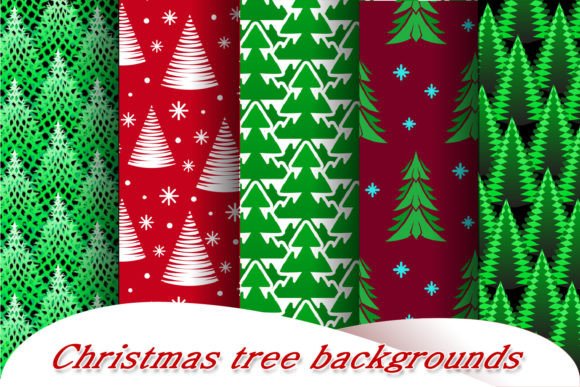
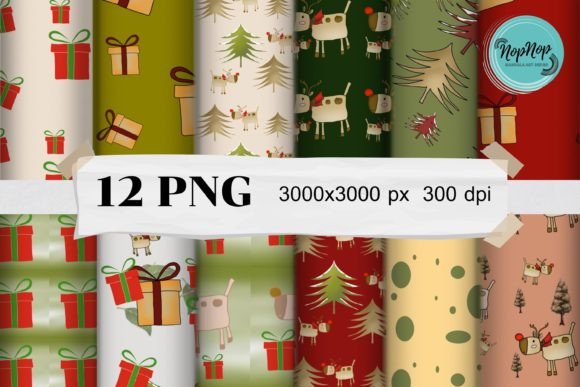
Christmas Patterns Vol.1 is a curated digital collection of holiday-themed design assets intended for creative reuse across physical and digital projects. It includes 7 PNG clipart elements with transparent backgrounds and 12 seamless, tileable PNG pattern files—each rendered at 300 DPI and sized 3000 × 3000 pixels (10 × 10 inches). The set is optimized for clarity and versatility in both print and screen-based applications.
Who Might Consider Christmas Patterns Vol.1?
This collection appeals to individuals engaged in hands-on or digital design work where seasonal consistency and visual cohesion matter. Common users include card makers, small-business owners preparing holiday promotions, educators designing classroom materials, bloggers updating seasonal site aesthetics, and textile hobbyists exploring custom fabric prints. It is especially relevant when time efficiency, design continuity, and professional-grade resolution are priorities.
Key Benefits to Evaluate
The inclusion of high-resolution, seamless patterns means users can scale and repeat motifs without visible seams—important for wrapping paper, fabric printing, or large-format posters. The transparent-background clipart allows flexible layering over photos, gradients, or colored backgrounds, supporting adaptable use in greeting cards or social media banners.
At 300 DPI and 10 × 10 inches, the patterns meet standard print requirements for most commercial and home-printed applications. This eliminates the need for upscaling, which often degrades quality. Additionally, the PNG format ensures broad software compatibility—no specialized editing tools are required to open or integrate the files.
Tradeoffs and Practical Considerations
As a static digital download, Christmas Patterns Vol.1 does not include editable vector files (e.g., SVG or AI), limiting options for precise resizing without raster artifacts or color adjustments within the pattern itself. Users requiring full control over individual motif colors or layout rearrangement may find the fixed nature of the PNGs restrictive.
The set contains no licensing documentation beyond the implied personal and small-commercial use indicated by the seller’s note (“Thank you for visiting my store”). Those planning large-scale distribution—such as producing merchandise for resale or embedding patterns into templates for third-party sale—should verify usage rights directly with the creator before proceeding.
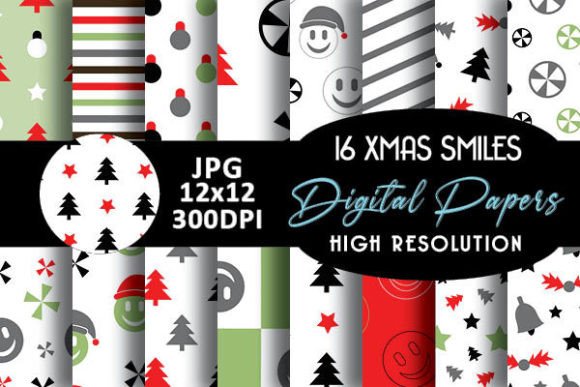
While the 12 patterns offer thematic variety (e.g., snowflakes, holly, ornaments, plaid, and festive typography), the selection reflects a specific stylistic interpretation—traditional, clean, and moderately detailed. Designers seeking minimalist line art, maximalist collage elements, or culturally diverse motifs (e.g., Kwanzaa or Hanukkah symbols) will not find those represented here.
Situations Where Christmas Patterns Vol.1 Is a Strong Fit
This collection is well-suited for time-constrained projects where visual polish matters but bespoke illustration isn’t feasible. For example:
- A small-batch stationery maker creating a limited run of holiday greeting cards and matching envelopes;
- A blogger refreshing their December content calendar with cohesive banner images, email headers, and printable checklists;
- An educator preparing classroom decorations, reward certificates, or holiday-themed worksheets;
- A DIY enthusiast designing custom gift wrap, fabric pouches, or framed wall art for home use.
In each case, the ready-to-use nature of the assets reduces setup time while maintaining consistent quality across formats.
When Alternatives May Be Worth Exploring
If your project requires scalability across vastly different sizes—from business card icons to billboard graphics—a vector-based pattern library would offer greater flexibility. Similarly, if you need patterns that support dynamic color changes (e.g., via CSS variables or layered PSD files), Christmas Patterns Vol.1’s fixed-color PNGs may fall short.
For users needing broader thematic coverage—such as multicultural winter holidays, modern abstract interpretations, or vintage-inspired motifs—searching for collections labeled “inclusive holiday patterns” or “contemporary Christmas design bundles” may yield more aligned results. Likewise, subscription-based design platforms (e.g., Creative Market subscriptions or Adobe Stock) provide ongoing access to rotating seasonal assets, which may better suit teams updating content annually.
Making a Practical Decision
To determine whether Christmas Patterns Vol.1 aligns with your needs, consider these questions:
- What is your output medium? If you’re printing on paper, fabric, or vinyl—or exporting for web banners—the included resolution and format are appropriate. If you’re developing interactive web components requiring SVG integration, this set won’t fulfill that requirement.
- How much customization do you anticipate? If you only need to place, crop, and combine elements without altering colors or internal structure, the PNGs are sufficient. If you plan to recolor motifs or extract and reposition individual elements, vector alternatives or layered source files would be more efficient.
- What is your scope of use? For personal, educational, or small-commercial purposes (e.g., selling under 500 printed cards), this collection meets typical expectations. For enterprise-level production or template resale, confirm licensing terms before purchase.
- How urgent is your timeline? Because the assets are pre-made and downloadable, they support rapid implementation—valuable during peak holiday preparation periods.
No single pattern collection serves every design context. Christmas Patterns Vol.1 occupies a practical middle ground: it offers reliable quality and thematic focus without requiring advanced technical skills or extended production time. Its value emerges most clearly when matched to realistic project constraints—not as a universal solution, but as a purpose-built tool for specific seasonal design tasks.
If you have questions about file compatibility, recommended software, or permitted usage, contacting the creator directly—as noted in the product description—is the most reliable way to clarify expectations before use.