Green Gamer Geek Digital Papers Patterns
If you’ve ever stared at a blank digital canvas—whether designing a birthday invite for your teen’s gaming-themed party, prepping printable party decorations, or assembling a custom planner for your D&D campaign—you know how much time and energy goes into finding just the right background. That’s where Green Gamer Geek Digital Papers Patterns steps in: a thoughtfully curated set of 16 high-resolution digital paper backgrounds designed specifically for gamers, crafters, educators, and DIY enthusiasts who want personality without the pixelated hassle.
What You’re Actually Getting (and Why It Matters)
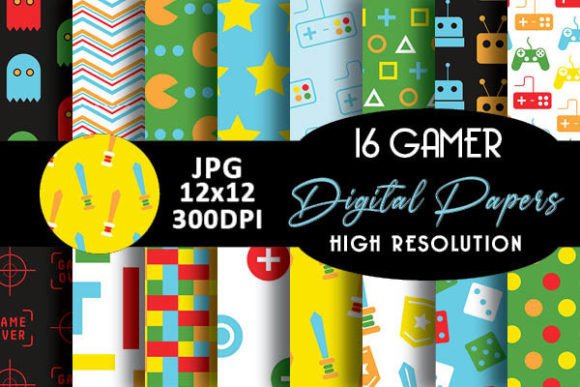
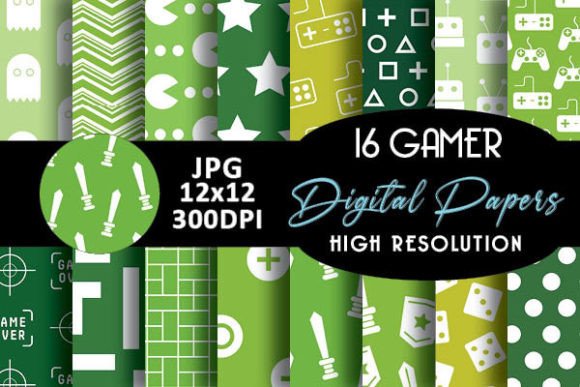
You’ll receive 16 ready-to-use digital papers—each sized at 12×12 inches (300 DPI, PNG format with transparent or solid green-based backgrounds)—featuring playful, cohesive Gamer Geek PATTERNS: pixel-style balls, retro controllers, subtle joystick silhouettes, geometric circuit lines, and stylized “8-bit” motifs—all rendered in soothing, versatile greens. These aren’t generic clipart overlays or stretched stock textures. They’re balanced, repeatable, print-ready patterns built to scale gracefully across projects—from tiny gift tags to full-page scrapbook layouts.
Because they’re digital, there’s no shipping, no waiting, and no physical storage. Just download, open in Canva, Photoshop, Silhouette Studio, Cricut Design Space, or even PowerPoint—and start layering, cropping, or printing immediately.
Where These Papers Solve Real Problems
For parents planning themed birthdays: Imagine printing a set of matching cupcake toppers, banners, and thank-you cards—all unified by the same subtle controller-patterned paper. No more mismatched fonts or clashing colors. The green palette is gender-neutral, easy on the eyes, and works equally well for Minecraft marathons or Pokémon showdowns.
For teachers and homeschoolers: Turn dull worksheets into engaging learning tools. Use one of the ball-patterned papers as a background for a math quiz themed around “power-up points,” or layer a circuit-patterned sheet behind a science vocabulary chart. Students notice consistency—and consistency builds engagement, especially when screen fatigue is real.
For small-business creators: If you sell handmade dice bags, embroidered gamer patches, or printable RPG character sheets, these papers add instant brand cohesion. Use them as backdrops for product mockups, social media story templates, or downloadable bonus content (like themed journal prompts or achievement trackers). One Etsy seller reported a 22% lift in add-on sales after bundling their digital character sheet with a matching Green Gamer Geek paper as a “premium layout option.”
For planners and journalers: Not all digital papers are created equal when it comes to readability. These maintain contrast and clarity—even with text layered on top. Try using the softer joystick-patterned paper for weekly spreads, and the bolder pixel-ball design for goal-tracking pages. The repetition is calming, not distracting.
Who Benefits Most—and How They Use Them Differently
- Scrapbookers love the seamless tiling—no awkward edges when stitching multiple pages together digitally or printing large-format layouts.
- Invitation designers use the transparency-friendly versions to overlay names, dates, and QR codes without losing pattern integrity.
- Streamers and content creators repurpose them as lower-thirds backgrounds, thumbnail textures, or printable “subscriber milestone” certificates—adding visual continuity across platforms.
- Therapists and life coaches working with neurodivergent teens have told us these patterns help ground attention during visual planning sessions—especially when paired with tactile elements like textured stickers or fidget-friendly printouts.
Things to Keep in Mind Before You Dive In
While Green Gamer Geek Digital Papers Patterns are flexible, they’re not magic. Here’s what helps them land well:
- Know your software limits. Some free design tools compress PNGs aggressively—always check your exported file before sending to print. For best results, use “export as PNG” (not JPEG) and disable automatic compression if given the option.
- Consider color harmony. These papers lean into green—but not just any green. They sit comfortably between mint and forest tones, so pairing them with charcoal grays, warm creams, or muted yellows works beautifully. Avoid neon oranges or electric blues unless you’re intentionally going for high-contrast energy.
- Think beyond “background.” One user cut the patterns into SVG files and used them as fill textures inside Cricut’s “Print Then Cut” workflow—turning a simple cardstock shape into a detailed, game-inspired die-cut. Others inverted the patterns in editing software to create subtle line-art stencils.
- Respect usage rights. These are licensed for personal *and* small commercial use (up to 500 physical or digital units per design), but resale of the raw papers themselves isn’t permitted. That means you can sell 300 printed party kits using the patterns—but not resell the ZIP file on another marketplace.
What Makes These Stand Out (Without Overpromising)
There’s no shortage of “gaming” digital papers online—but many rely on loud, saturated themes (flames, skulls, aggressive fonts) that age quickly or feel exclusionary. Green Gamer Geek Digital Papers Patterns opts for quiet confidence: clean geometry, intentional spacing, and a palette that feels inclusive, calm, and creative—not chaotic. They don’t scream “gamer”—they whisper “thoughtful, capable, and quietly passionate.”
They also avoid overused tropes. You won’t find tired “game over” text or exaggerated blood splatters. Instead, you’ll get smart abstractions: a ball motif that nods to both sports and arcade physics; circuit lines that suggest connection without tech overload; joystick shapes simplified into elegant, scalable icons.
And because they’re green-focused—not “green-themed”—they work year-round. No seasonal expiration. No holiday lock-in. Just reliable, adaptable texture for whatever you’re making next.
A Few Quiet Wins Users Didn’t Expect
One graphic designer used the pixel-ball pattern as a subtle watermark across client presentation decks—clients kept complimenting the “clean, modern vibe” without realizing it was part of a broader toolkit. Another parent printed four patterns on sticker paper, cut them into hexagons, and turned them into tactile “quest tokens” for her child’s summer reading challenge—each pattern represented a different book genre.
Teachers in hybrid classrooms printed the papers on cardstock, laminated them, and used them as reusable “focus mats” under tablets—helping students visually anchor their workspace during long virtual lessons. The patterns offered gentle visual structure without competing for attention.
None of these uses were in the product description. They emerged from people simply having the right tool, in the right format, at the right time.